
January 10th, 2021
How to Crochet a Cable Twist — Episode 2 Video Tutorial (Step-by-Step)
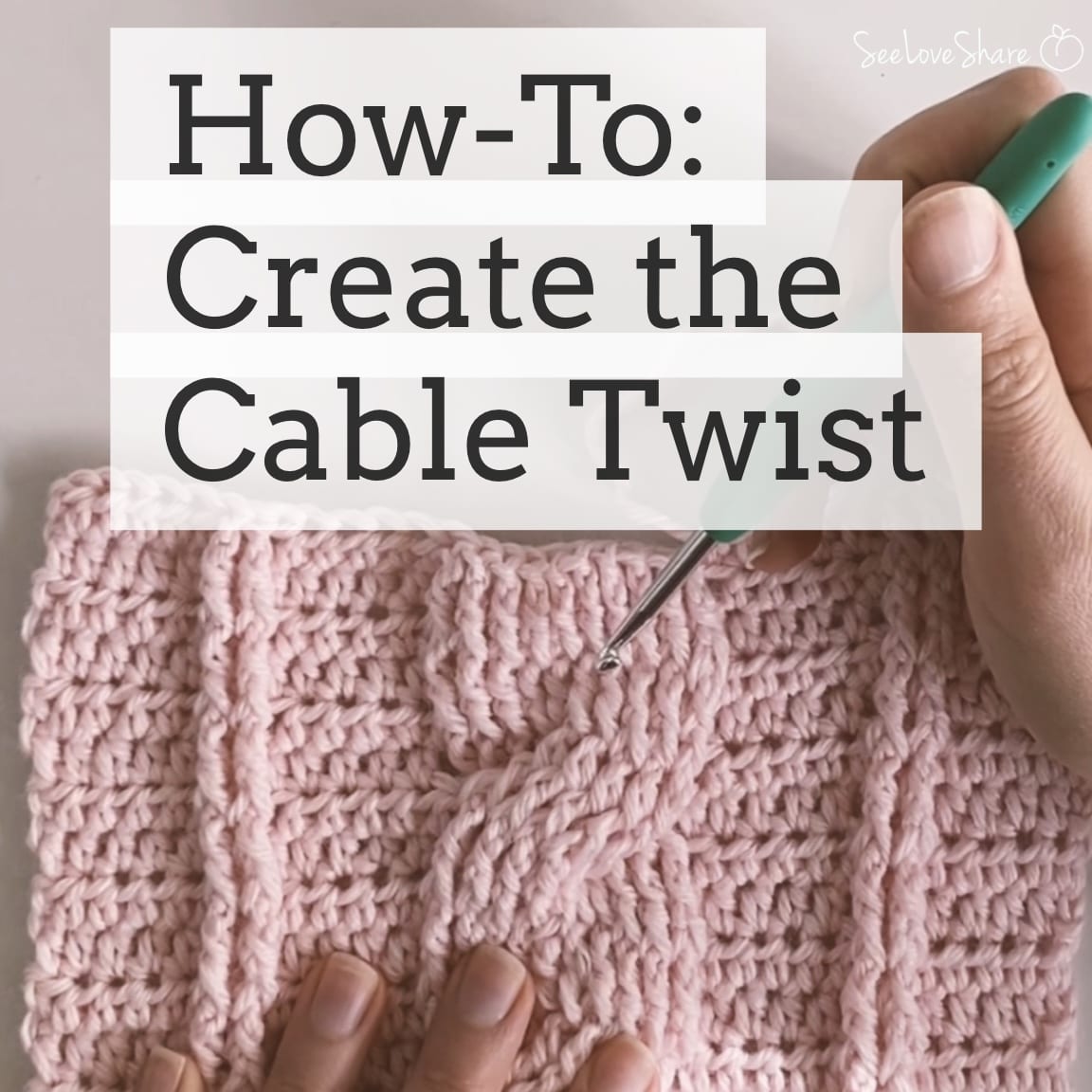
Welcome to Episode 2 of the How-To Crochet a Cable Twist video series! In this tutorial, you’ll learn the all-important twist element used to crochet cables. We’re looking at Row 3 of the Rustic Crochet Cable Scarf as an example — arguably the most “difficult” part of the entire pattern, broken down step-by-step so it’s totally doable. I promise that once you know how to crochet a cable twist, the entire world of textured crochet opens up to you.
This tutorial picks up where Episode 1 (FPDC & BPDC) left off. Once you’ve mastered the front-post and back-post double crochet, you’re ready to crochet a cable twist by crossing them. The technique looks intricate but is really just a sequence of post stitches worked out of order — and this video walks you through every loop.
Watch the Cable Twist Video Tutorial
The full step-by-step video shows you exactly how to crochet a cable twist in real time:
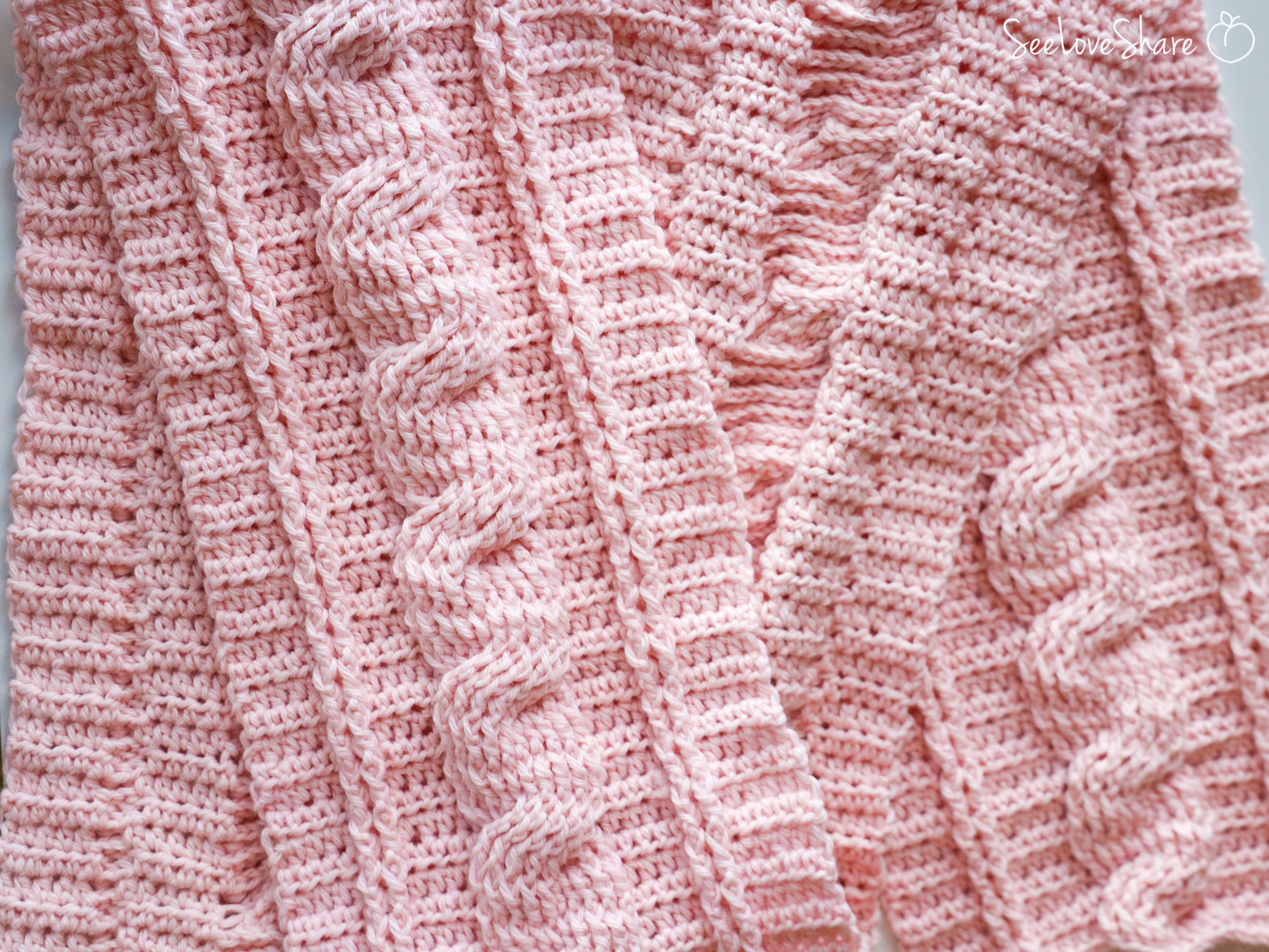
In this video I’m using Patons Grace yarn in Blush — a beautiful smooth cotton yarn that really shows off the cable definition.
Why You’ll Love Learning to Crochet a Cable Twist
Cable twists unlock a whole world of textured crochet:
✔ Look much more impressive than the technique actually is
✔ Once you crochet a cable twist, you can make scarves, table runners, blankets, and more
✔ Step-by-step video walks through every move slowly
✔ Builds on FPDC and BPDC from Episode 1
✔ Beginner-intermediate friendly with practice
✔ Creates dimensional braided texture that looks like knit cables
✔ Works in any worsted weight yarn with a cable-friendly hook
✔ Perfect for cozy fall and winter crochet projects
What You’ll Learn in This Tutorial
- How to identify the front-post and back-post stitches in your work
- How to crochet a cable twist by crossing FPDC stitches
- The trick to keeping your stitches even and uniform
- How to read a cable chart vs working from written instructions
- Common mistakes and how to fix them
Shop the materials


Materials Used in the Cable Twist Tutorial
- Patons Grace yarn in Blush (smooth cotton — perfect for cables)
- Crochet hook set — any size H or I works well for cables
- Yarn needle
- Scissors
When you crochet a cable twist, smooth yarns like Patons Grace show off the stitch definition beautifully. Highly textured yarns hide the cable detail, so go with a smooth wool, cotton, or acrylic for your first cable project.
Missed Episode 1?
If you haven’t watched Episode 1 yet, start there — it covers FPDC and BPDC, the foundation stitches you’ll need before you can crochet a cable twist:
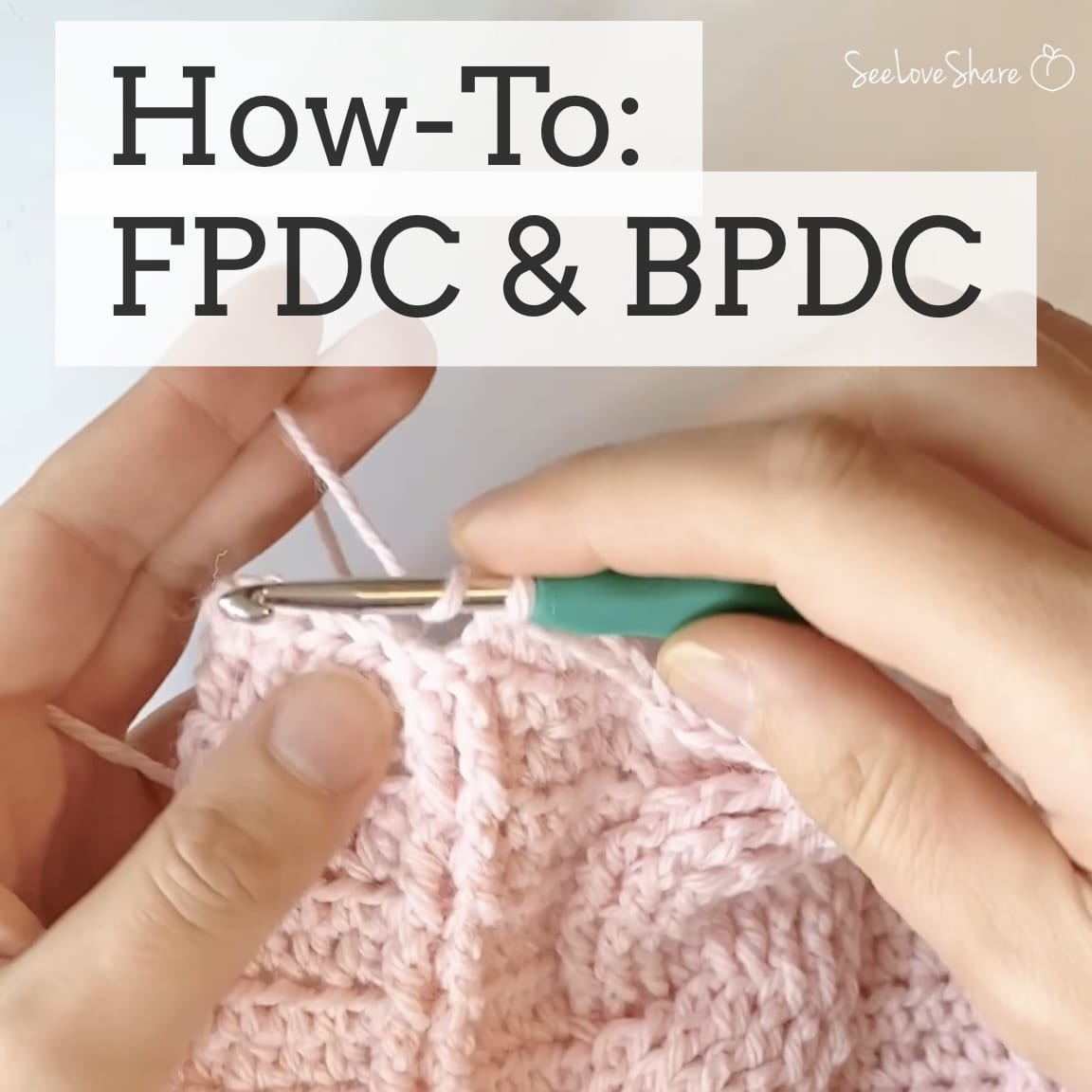
→ Watch Episode 1: FPDC & BPDC
Free Patterns That Use This Cable Twist
Once you can crochet a cable twist, put your new skill to work with these free patterns:
Rustic Crochet Cable Scarf
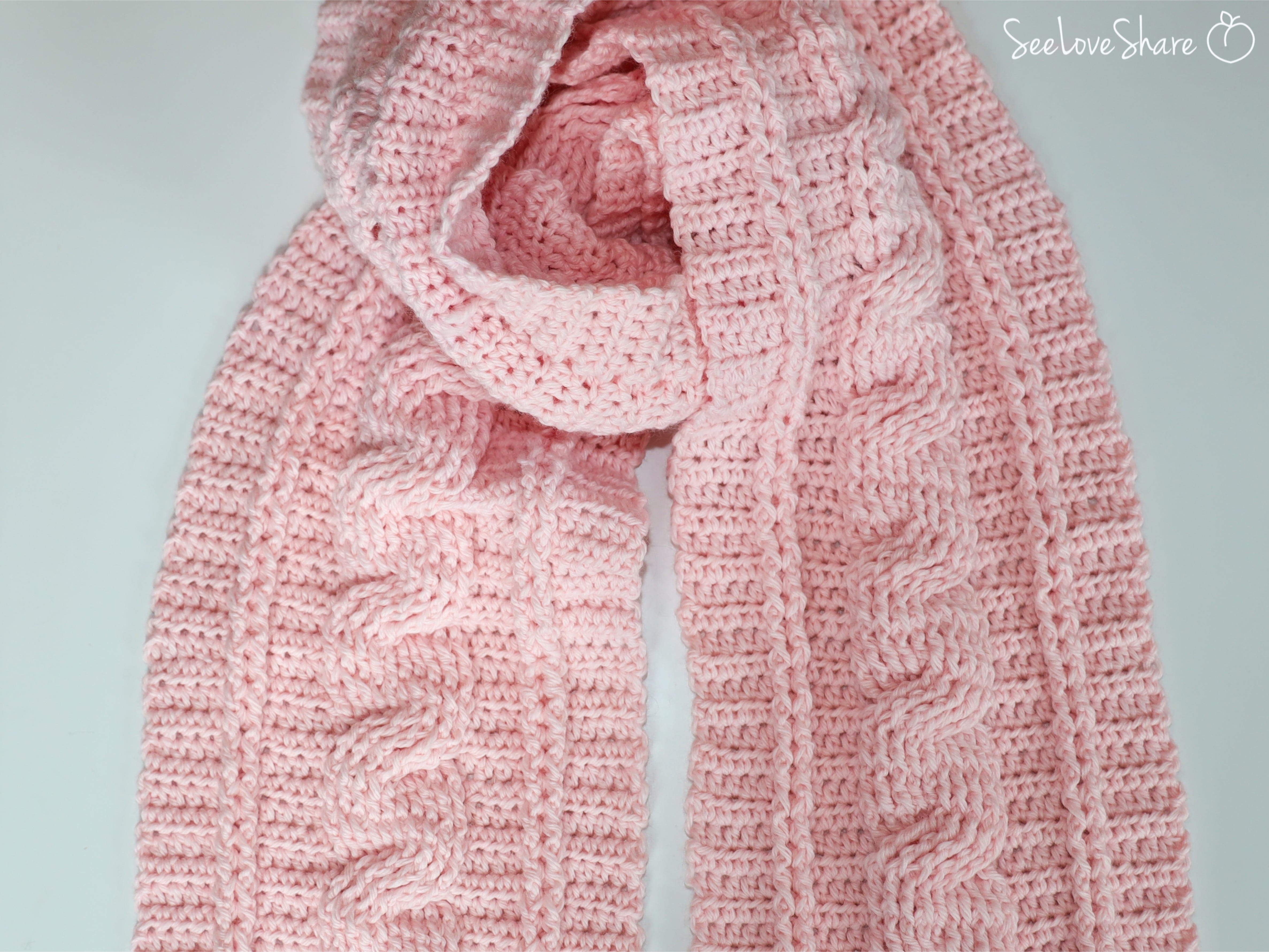
→ Get the Rustic Crochet Cable Scarf Pattern
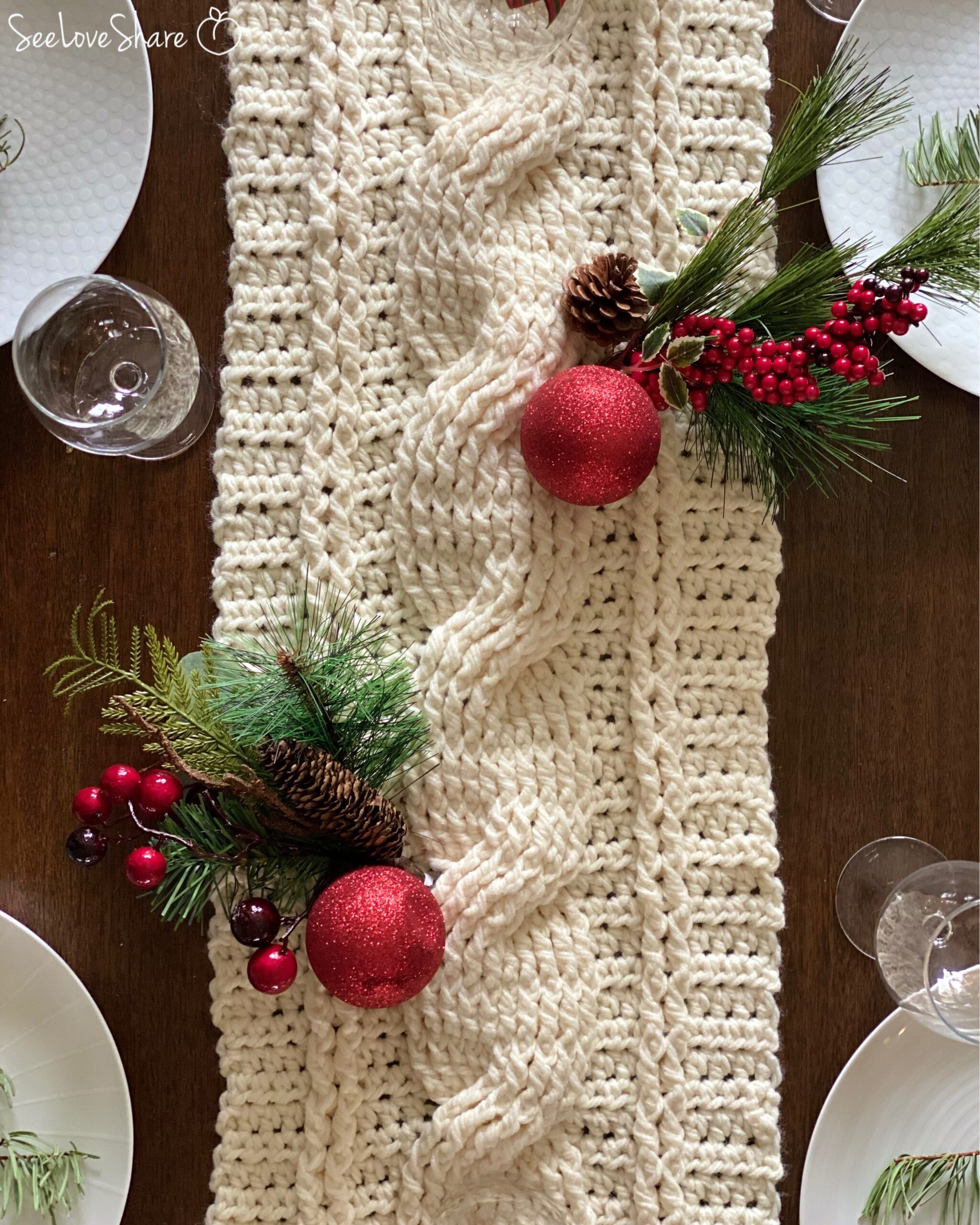
Rustic Crochet Cable Table Runner
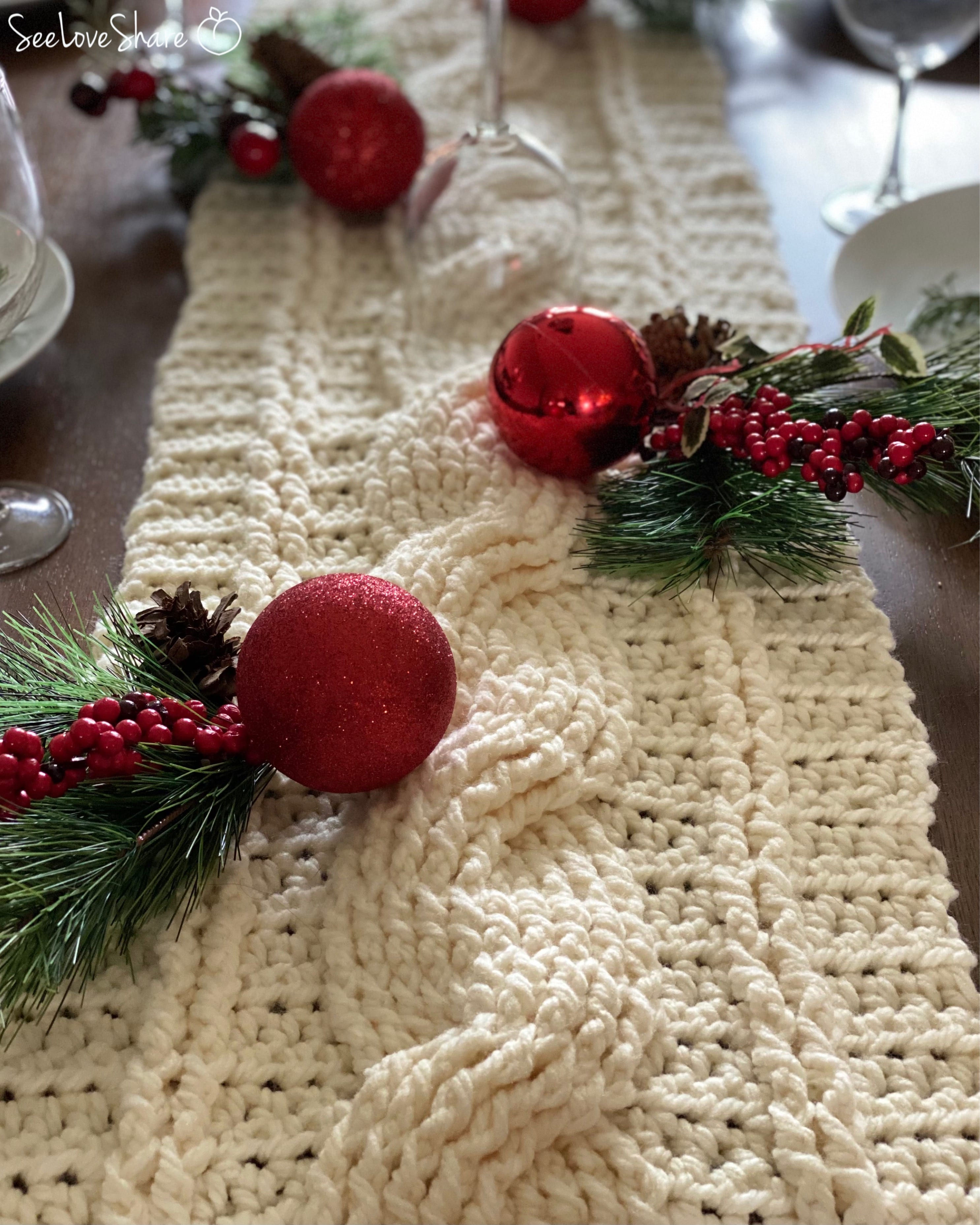
→ Get the Rustic Crochet Cable Table Runner Pattern
Tips for Mastering the Crochet Cable Twist
- Practice the post stitches first: if FPDC and BPDC don’t feel automatic yet, do a 4-row swatch before you crochet a cable twist.
- Use a stitch marker: mark the starting post of each cable column so you don’t lose track.
- Keep your hook deep: when you crochet a cable twist, work the post stitches deep in the body of the post for a cleaner cross.
- Watch the video at half speed: YouTube has a 0.5x speed option — perfect for following the cable twist motions stitch by stitch.
- Use a smooth yarn: highly textured yarns hide the cable definition. Smooth wool, cotton, or acrylic shows off the twist beautifully.
- Light tension is your friend: if you crochet too tightly, getting the hook around the post is hard. Relax your grip slightly.
- Don’t stress about perfection: the first few twists will feel awkward. By the 4th or 5th cable, you’ll have the rhythm.
Frequently Asked Questions
Is it hard to crochet a cable twist? Intermediate. If you can crochet FPDC and BPDC, you’re 80% of the way there. The cable twist just adds the cross-over move.
What yarn should I use to learn? A smooth worsted weight yarn in a light or medium solid color. Patons Grace, Patons Classic Wool, or Bernat Softee Chunky all show cables beautifully. Avoid super-textured or dark variegated yarns when learning.
What’s the difference between crocheted and knitted cables? Knit cables use a cable needle to physically reorder stitches. Crocheted cables (FPDC/BPDC twists) achieve the same look by working post stitches out of order. The result is similar; the technique is different.
Why does my cable twist look loose? Either your post stitches are too loose, or you’re hooking too far down on the post. Try going down a hook size and hooking deeper into the post body.
Can I crochet a cable twist with any weight yarn? Yes, but worsted weight is the easiest to learn on. Bulky weight makes oversized statement cables; lace weight is harder to see the texture.
Is there an Episode 3? The series builds project by project — check the SeeLoveShare blog for more video tutorials and free cable patterns.
More Crochet Tutorials & Patterns You’ll Love
If you enjoyed learning to crochet a cable twist, you’ll love these related tutorials and patterns:
 How-To Crochet Cables Episode 1: FPDC & BPDC
 Rustic Crochet Cable Scarf — Free Pattern
 Rustic Crochet Cable Table Runner — Free Pattern
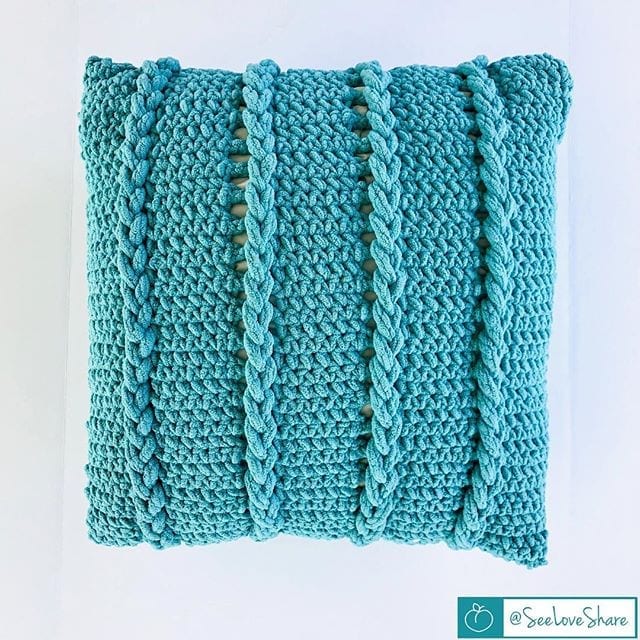
 Faux Cable Crochet Pillow — Twist & Pull Cable Hack
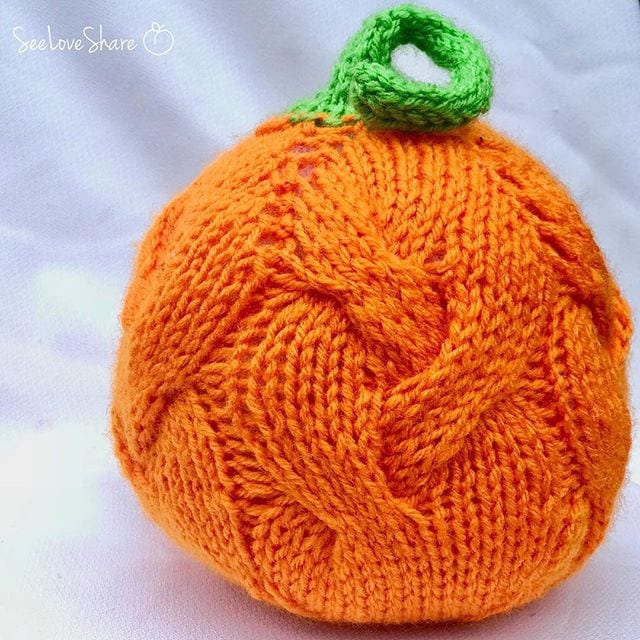
- Knit Cable Pumpkin — Free Fall Pattern
Save This Crochet Cable Twist Tutorial
Want to come back to learn how to crochet a cable twist later? Save it to Pinterest so you can find it when you’re ready to add cables to your crochet — and share it with your crochet friends!