
August 11th, 2026
Crochet and Knit Projects You’ll Actually Finish (and Why Yours Stall)
The short version: the trick to crochet and knit projects you’ll actually finish is picking the right project in the first place — not too big, not too repetitive, and never without a pattern. Match the make to your momentum and almost anything gets finished. Below are the six classic culprits behind unfinished projects, and the fix (plus a pattern) for each.
Every maker has a graveyard: the basket, bin, or whole closet where good intentions go to nap. As cozy season returns, here’s a loving tour of the projects no one ever finishes — and the small change that turns them into projects you’ll actually finish.
1. The Enormous Blanket
You cast on a king-size afghan in worsted-weight yarn, dreaming of cozy nights ahead. Row 40 arrives. The blanket is roughly the size of a napkin. You do the mental math on how many more rows stand between you and the word “done,” feel your soul quietly leave your body, and fold it into the basket “for now.” A giant blanket in thin yarn is thousands upon thousands of stitches — a gorgeous idea, and a genuinely long haul.
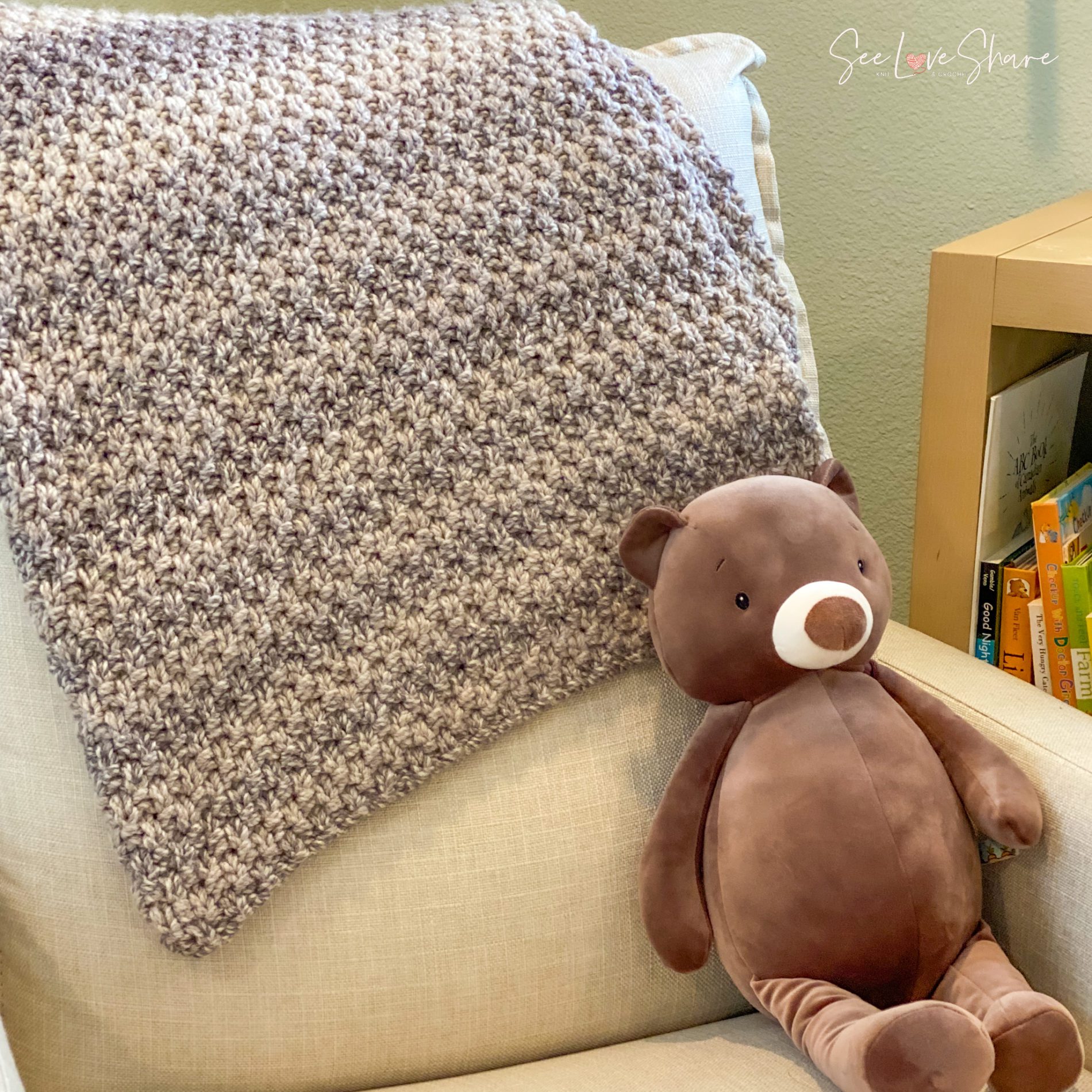
The fix: go chunky. Worked in a super-bulky yarn, a throw comes together in a weekend, so you cross the finish line before the excitement wears off. Start with a fast, squishy make like the Whipped Cream Seed Stitch Blanket or the Luxe Chunky Crochet Throw, and save the marathon afghan for when you have momentum to burn.


2. The Lonely Second One
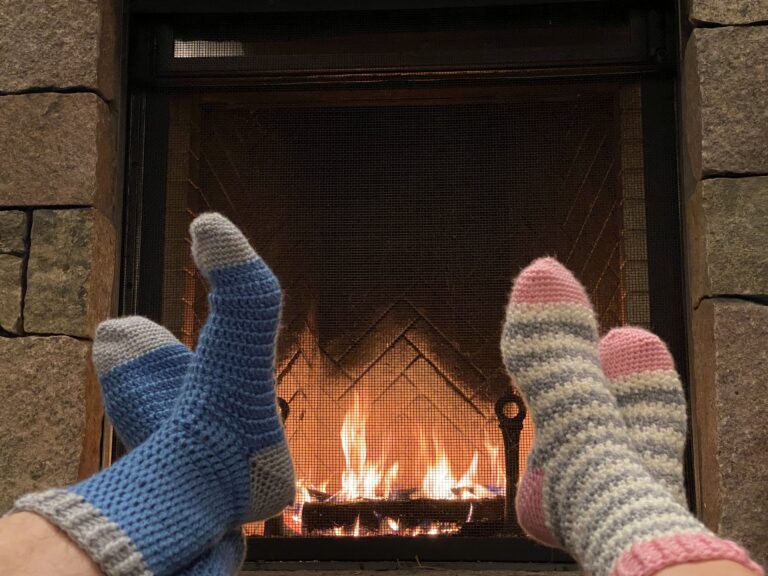
You finish the first mitten and it’s perfect. Adorable. A tiny triumph. And then you remember you have to make… the exact same thing again. The magic is gone, and the second one suddenly feels like doing your taxes. This is the infamous “Second Sock Syndrome,” and it’s where countless single mittens, lone socks, and one-sleeved sweaters live out their quiet, unfinished lives.
The fix: cast the second on immediately — before the honeymoon ends — or work them two-at-a-time so they finish together. And if socks are your nemesis, my Easy Crochet Socks pattern is a beginner-friendly way to finally conquer the pair.
3. The Fiddly Colorwork
It looked absolutely stunning in the photo. Then you’re forty rows deep with fourteen bobbins, a yarn nest only a kitten could love, and roughly nine hundred ends waiting to be woven in. Every color change is a tiny decision; every tangle, a tiny betrayal. Eventually you set it down “just to detangle later” — and later, as we all know, never comes.
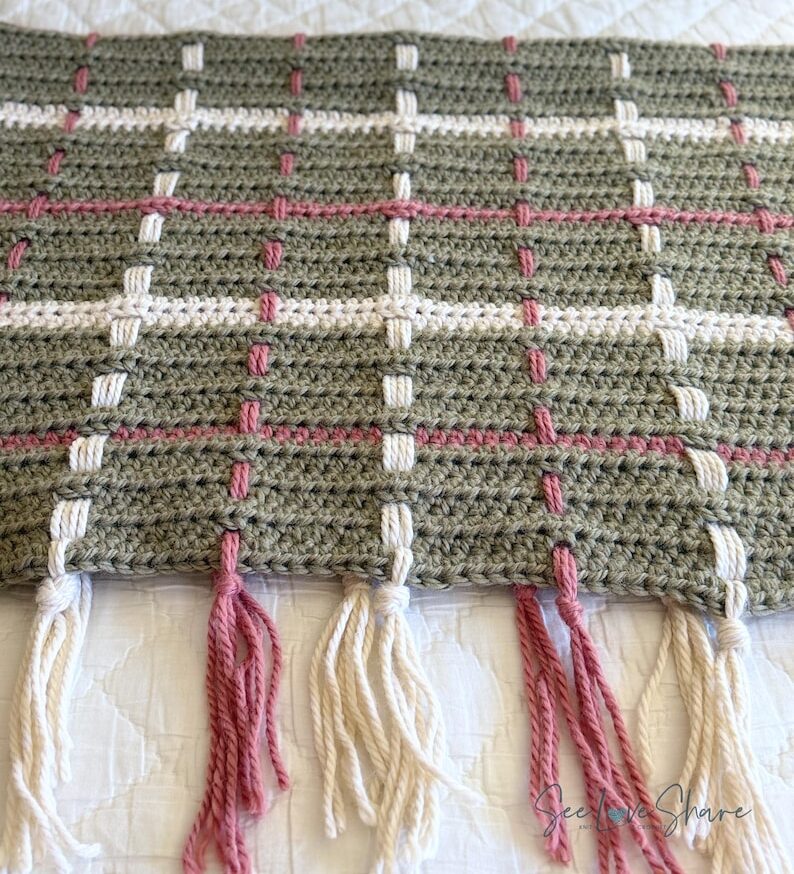
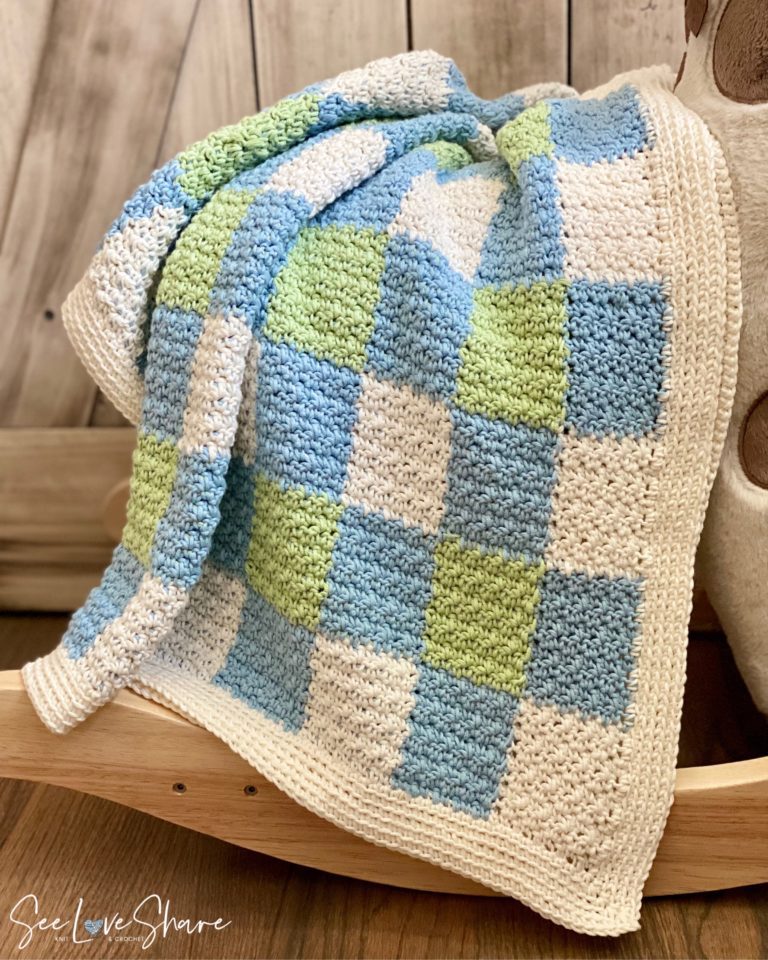
The fix: choose low-fuss colorwork — designs worked one color per row, or ones where you add the color after the fabric is finished. The Highland Throw gets its crisp tartan by weaving the vertical lines in at the end, with no mid-row juggling, and the Buffalo Plaid Gingham Blankie uses the same trick. Big plaid impact, tiny headache.
4. The “I’ll Just Wing It”
No pattern, no plan, pure creative confidence. You’re going to freehand a cardigan from vibes alone. Three inches in, one sleeve is shaped like a flipper, the neckline has developed strong opinions, and you genuinely can’t tell if it’s inside out. Improvising is a wonderful thing once you know the rules — but it’s also where a startling number of WIPs quietly go to nap.
The fix: follow a written pattern or tutorial for anything with real shaping. A good step-by-step (bonus points for photos) keeps you oriented from cast-on to bind-off. Browse the SeeLoveShare tutorials for beginner-friendly walk-throughs, then freestyle once the technique is muscle memory. Do this, and your basket quietly fills up with projects you’ll actually finish.
5. The Never-Ending Scarf
A scarf is the perfect beginner project, so you cast one on. And you knit. And you knit. “Just to the end of this ball,” you tell yourself. “Just a few more inches so it actually wraps.” Suddenly it’s ten feet long, could moonlight as a draft excluder, and still has no bind-off in sight. With no built-in finish line, a humble scarf can quietly stretch on forever.
The fix: give it a finish line. Pick a project that ends when the pattern says so — a set-size blanket, a quick cowl — so “done” is a real, reachable place instead of a vague someday. My Sweet & Simple Knit Throw has a clear target size and a very satisfying bind-off waiting at the end of it.
6. The Frogging Spiral
You spot one tiny wonky stitch. You rip back to fix it. Then you notice another. Rip. And another. Rip, rip, rip. Before long you’ve unraveled more than you’ve made, the yarn is fuzzy and defeated, and honestly, so are you. Perfectionism is a lovely instinct that has quietly murdered more projects than any pattern ever could.
The fix: choose forgiving, busy textures that swallow small mistakes whole. In a good bumpy stitch pattern, a slightly-off stitch simply vanishes into the fabric — no one will ever find it but you. My Mistake Rib Knit Throw is literally built on this idea (the name says it all) — exactly the kind of relaxed make that becomes one of the projects you’ll actually finish.
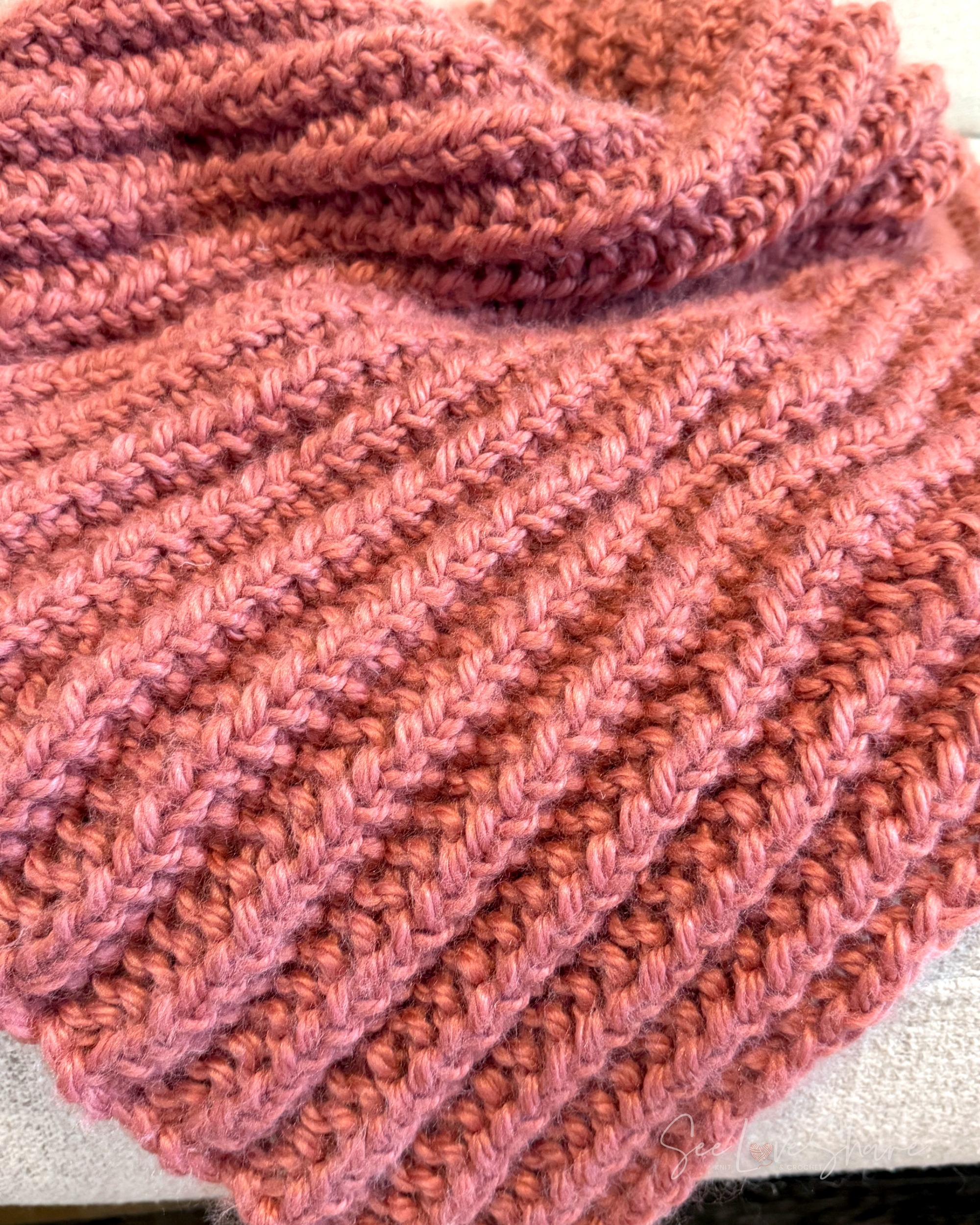
Crochet and knit projects you’ll actually finish this weekend
Want a guaranteed win to rebuild your finishing streak? The pattern library is full of fast, beginner-friendly makes — pick one of these projects you’ll actually finish, cross it off, and ride the momentum into the next.
Frequently asked questions
Why do I never finish my crochet or knitting projects?
Usually the project was too big, too repetitive, too fiddly, or too improvised. Choosing faster yarn, simpler construction, forgiving textures, and a clear written pattern turns a stalled WIP into one of the projects you’ll actually finish.
What is Second Sock Syndrome?
It’s the loss of motivation to make the second identical item — a sock, mitten, or sleeve — after the first is done. Casting the second on right away, or working two-at-a-time, prevents it.
What are the easiest projects to finish for beginners?
Super-bulky blankets, simple hats, and one-piece decor like a crochet pumpkin finish fast and build confidence. Start there before tackling large or intricate makes.
How do I make a plaid blanket without weaving in hundreds of ends?
Use a woven-plaid method: crochet the stripes one color per row, then weave the vertical bars in afterward. It creates true tartan with a fraction of the ends.