

Textured crochet stitches are what take a simple project from “nice” to “wow, did you really make that?” Three-dimensional, sculptural, full of visual depth — these stitches create texture you can see and feel. Whether you’re working on a blanket, a pillow, a scarf, or a bag, swapping a plain stitch for a textured one transforms the entire look.
This complete guide rounds up the most popular textured crochet stitches, with full written instructions for each one. We’ll cover the puff stitch, the bobble stitch, the popcorn stitch, the waffle stitch, the bean stitch, and more — including when to use each and tips to make them look their best.
What Are Textured Crochet Stitches?
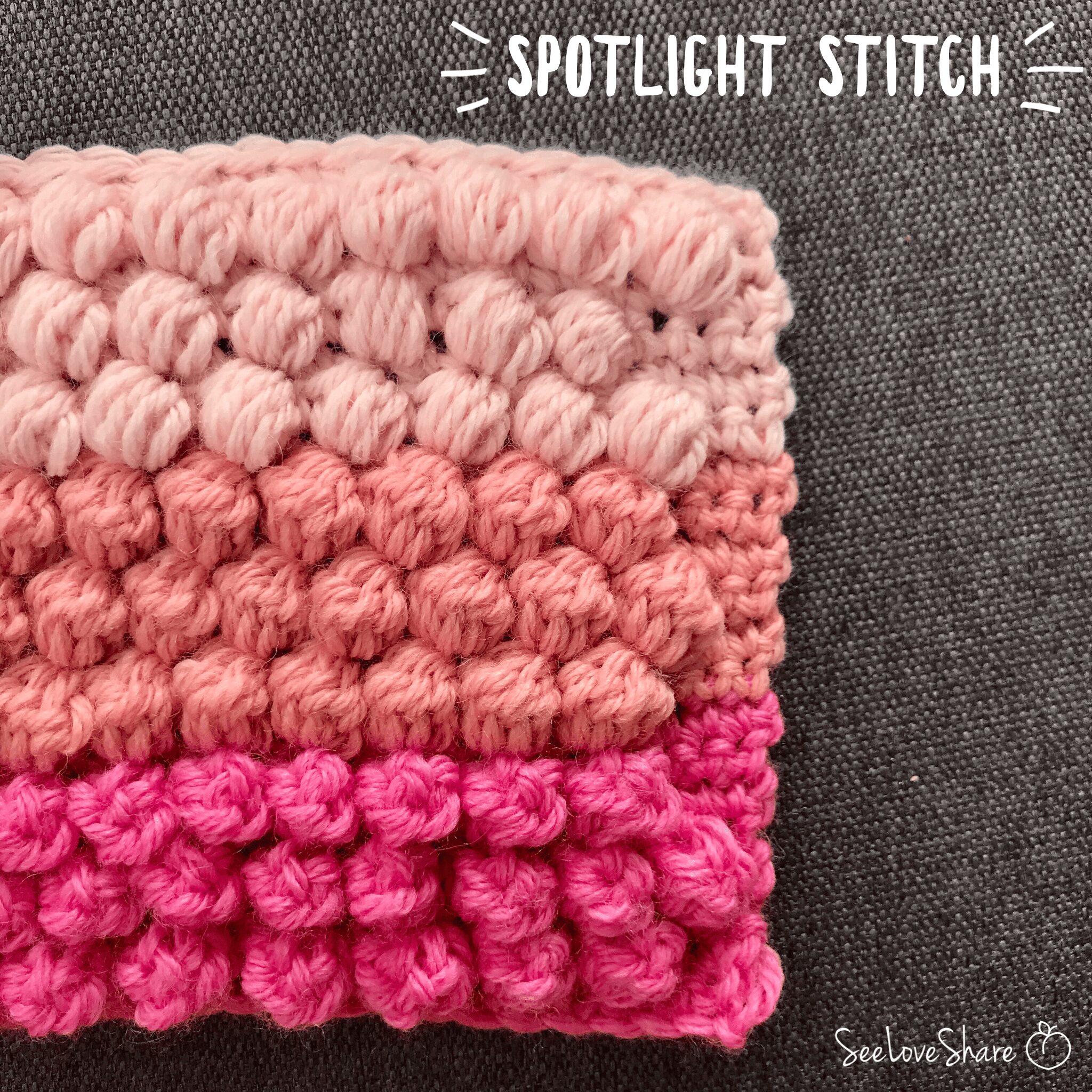
Textured crochet stitches are crochet stitch patterns that create dimensional, raised, or sculptural surfaces on your fabric. Instead of lying flat against the work like a single or double crochet, these stitches puff outward, bobble up, or build a relief texture you can feel with your fingers.
They’re typically created by working multiple stitches into the same stitch (clustering), pulling up loose loops, or alternating front-post and back-post stitches to push fabric forward or back. The result: a finished project with serious visual interest.
When to Use Textured Crochet Stitches
Textured stitches work beautifully in:
- Baby blankets — adds sensory texture babies love and creates an heirloom-quality finish
- Throws and afghans — gives a homemade blanket designer-quality dimension
- Pillows and cushions — texture catches the light and adds visual richness to home decor
- Scarves and cowls — textured stitches feel substantial and look elegant
- Hats and beanies — adds personality and warmth (dense textured stitches insulate well)
- Bags and totes — texture adds body and helps the bag hold its shape
The downside: textured crochet stitches use significantly more yarn than flat stitches (sometimes 2-3x). They also take longer to work. But the finished result is almost always worth it.
Materials for Practising Textured Crochet Stitches
- Worsted weight (#4) yarn in a light, solid colour so stitch definition is clearly visible
- 5mm (H/8) crochet hook — or whatever your yarn label recommends
- Scissors and a tapestry needle
For practising, chain about 20-30 stitches and work a few rows of single crochet first. This gives you a stable base to build your textured stitches into.
Abbreviations
ch = chain
sc = single crochet
hdc = half double crochet
dc = double crochet
yo = yarn over
slst = slip stitch
st(s) = stitch(es)
RS = right side
WS = wrong side
Puff Stitch
The puff stitch is one of the softest, most pillowy textured crochet stitches. It creates a rounded, cushion-like bump on the fabric — perfect for baby blankets, plush pillows, and cozy throws.
How to Work a Puff Stitch
Step 1: Yarn over, insert hook into stitch, yarn over and pull through (3 loops on hook).
Step 2: Repeat Step 1 four more times into the same stitch (you’ll have 11 loops on your hook).
Step 3: Yarn over and pull through all 11 loops at once.
Step 4: Single crochet in the next stitch to anchor and secure the puff.
The puff stitch is best worked on top of a single crochet row prior. The contrast between the flat sc and the puffed-up puff stitch creates the dramatic texture.
Bobble Stitch
The bobble stitch is similar to the puff but creates a denser, more defined ball-like bump. It has more structure and stands up taller from the fabric. Bobbles are gorgeous in baby blankets, scarves, and Christmas tree skirts.
How to Work a Bobble Stitch
Step 1: Yarn over, insert hook into stitch, yarn over and pull through (3 loops on hook).
Step 2: Yarn over and pull through 2 loops (2 loops left on hook).
Step 3: Repeat Steps 1-2 four more times into the same stitch (you’ll have 6 loops on your hook).
Step 4: Yarn over and pull through all 6 loops at once.
Step 5: Single crochet in the next stitch to anchor.
The key difference between the bobble and puff: the bobble stitch closes off each individual stitch before clustering, which makes it denser and more defined. The puff stitch keeps all loops open, creating a softer texture.
Popcorn Stitch
The popcorn stitch is the most three-dimensional of all the textured crochet stitches — it literally pops off the fabric. It’s worked by crocheting multiple stitches into the same spot, then “tying” the top together. Looks gorgeous in afghans, accent rows, and as embellishments.
How to Work a Popcorn Stitch
Step 1: Work 5 half double crochet (hdc) into the same stitch.
Step 2: Without turning, carefully remove your hook from the working loop.
Step 3: Insert the hook back into the top of the first hdc you made (the 5th chain from the hook).
Step 4: Pick up the working loop you just removed, and pull it through the first hdc to close the popcorn.
The popcorn stitch is the boldest textured crochet stitch — use it sparingly as an accent, or all-over for a really sculptural piece.
More Textured Crochet Stitches to Learn
Puff, bobble, and popcorn are the three foundational textured crochet stitches, but there’s a whole world of texture beyond them. Here are more stitches worth learning, with links to detailed tutorials on SeeLoveShare:
- Waffle Stitch — a grid-like textured stitch that looks just like a waffle. Perfect for blankets and pillows.
- Bean Stitch — a horizontal bean-shaped textured stitch, similar to a puff but laid sideways.
- Alpine Stitch — combines front-post double crochet with regular stitches for a textured columns effect.
- Seed Stitch — alternating sc and dc creates a subtle, sophisticated all-over texture.
- Puff Spike Stitch — a variation of the puff stitch worked into the row below for added dimension.
- Puff Stitch Flower — uses the puff stitch to create a beautiful 3D flower motif.
Tips for Working Textured Crochet Stitches
Use a Light, Solid Yarn While Learning
Variegated or very dark yarns hide stitch definition. Practise textured crochet stitches in a light, solid colour first so you can see exactly what each stitch is doing. Once you’ve got the technique, you can use any yarn.
Don’t Over-Tighten
Textured stitches need a little room to “pop.” If you crochet too tightly, the loops compress and the texture flattens. Keep tension a touch looser than usual, especially for puff stitches.
Use a Slightly Bigger Hook
Go up half a hook size from what your yarn label recommends. This gives the textured stitches a little more room to bloom and creates fuller, more defined texture.
Work Textured Stitches on the Right Side
Most textured crochet stitches show their dimension on one side only. Work them on the right side (RS) of your project, with plain stitches like sc or hdc on the wrong side (WS). This pushes all the texture to the front.
Plan for More Yarn
Textured stitches use 1.5-3x more yarn than flat stitches because each stitch incorporates more loops. If your pattern calls for textured stitches, double check the yardage and buy extra.
Frequently Asked Questions
What’s the difference between the puff stitch and bobble stitch? Both are textured crochet stitches that create raised bumps, but the bobble closes off each individual loop before clustering, making it denser and more defined. The puff keeps all loops open, creating a softer, rounder texture.
Are textured crochet stitches beginner-friendly? Most are, yes — if you know basic stitches (chain, sc, hdc, dc), you can learn puff, bobble, and popcorn stitches in an afternoon. The technique is repetitive, so once you’ve worked a few, your hands learn the rhythm.
Why do my textured stitches look flat? Three usual culprits: tension is too tight, yarn is too thin for your hook, or you’re not anchoring the stitches with a plain sc afterward. Try going up half a hook size and keeping your tension looser.
How much extra yarn do textured stitches use? Roughly 1.5-3x more than flat stitches like sc. A blanket that takes 3 skeins in single crochet might take 6-9 skeins in puff or bobble stitch. Always buy extra.
Can I combine different textured crochet stitches in one project? Absolutely — mixing puffs with sc rows, or alternating bobbles and popcorns, creates beautiful complex texture. Just keep each stitch’s row count consistent for an even fabric.
Patterns That Use Textured Crochet Stitches
Ready to put these textured crochet stitches to work in a real project? Here are some free SeeLoveShare patterns that showcase textured stitches beautifully:
- Bubble Stitch Baby Blanket — a beginner-friendly pattern with gorgeous texture
- Crochet Bobble Pillow Trio — three bobble-stitched pillows in one pattern
- Textured Sweetie Baby Blankie — mixed textured stitches for an heirloom baby gift
- Bobble Stitch Christmas Tree Skirt — bold textured holiday decor
Save This Textured Crochet Stitches Guide
Want to come back to this textured crochet stitches guide later? Save it to Pinterest so you can find it whenever you need a refresher — and share it with your crocheting friends!